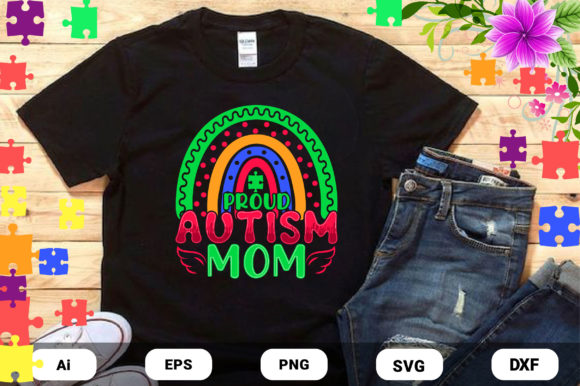
Proud Autism MOM Embroidery Review
As a designer who spends more time staring at stitch charts and fabric swatches than sleeping, I approach every new embroidery file with a mix of skepticism and hope. The market is flooded with generic typography designs that look great on screen but fall apart under the needle. That is why I decided to put the Proud Autism MOM T-shirt Design Vector through its paces before recommending it for any commercial or personal project. This isn’t just about how pretty the letters are; it is about whether this design holds up in real-world application, from boutique merchandising to heartfelt handmade gifts.
First Impressions: Mood and Visual Personality
The moment you open the files associated with the Proud Autism MOM T-shirt Design Vector, the intent is clear. It is not subtle, nor should it be. The typography carries a weight of advocacy and love that resonates deeply with its target audience. In my experience reviewing graphics for Print Templates, the most successful designs are those that communicate emotion instantly without requiring explanation. This vector-based artwork achieves that balance effectively.
The layout feels sturdy and grounded. For an embroidery project, this structural confidence translates well. When I visualize this on a garment, I see a design that commands attention rather than whispering. It creates a mood of solidarity and pride. For custom apparel decorators and Etsy sellers, this visual personality is a powerful asset. It signals to the buyer that this product was chosen with intention, which builds immediate trust and emotional connection with the customer.
Real-World Application: Where This Design Shines
I often think about where a design will live before I even load it into my machine. The Proud Autism MOM T-shirt Design Vector has a versatility that makes it suitable for a wide range of handmade products. My first test scenario involved preparing a batch of custom sweatshirts for a local craft fair. The bold nature of the typography works exceptionally well on heavyweight cotton blends, providing a crisp contrast against darker fabrics.
Beyond standard tees, this design fits naturally into the realm of personalized gifts. Imagine a mother receiving a baby onesie or a soft nursery blanket featuring this message. The emotional value of such a giftability factor is high. It transforms a simple piece of clothing into a keepsake. I also envision this working beautifully as an embroidered patch for denim jackets or backpacks, allowing wearers to customize their gear with a statement of support.
For small business owners looking to expand their catalog, this design offers strong potential for commercial embroidery projects. It pairs well with tote bags made from durable canvas, where the stitch density can be supported without puckering. Whether you are creating holiday embroidery collections or year-round advocacy merchandise, this vector provides a solid foundation for a cohesive brand aesthetic.
Technical Performance and Stitch Clarity
When evaluating a machine embroidery design, clarity is king. The provided formats, including transparent PNGs and vector files like EPS and AI, suggest that the original artwork is clean and scalable. However, the true test lies in how these vectors translate into stitches. The lettering appears robust, which is crucial for maintaining legibility after washing and wear.
In terms of construction, I anticipate this design relying heavily on satin stitch for outlines and perhaps fill stitch for larger blocks of text or decorative elements. If executed correctly, the thread colors must be chosen carefully to ensure contrast. On light fabrics, a dark thread ensures readability, while on dark fabrics, lighter threads might be needed to pop. The design’s simplicity allows for flexibility in thread colors, enabling designers to match specific brand palettes or seasonal themes.
One aspect to consider is the stitch density. While the vector looks clean, dense areas can sometimes cause issues on thinner fabrics. For best results, using a proper stabilizer is non-negotiable. A cut-away stabilizer would likely be recommended for garments that will undergo frequent laundering, ensuring the integrity of the finished product over time.
Where Caution Is Required
No design is perfect for every surface. There are specific scenarios where the Proud Autism MOM T-shirt Design Vector requires careful consideration:
- Small Hoop Sizes: If you attempt to digitize or use this design in a very small hoop, details may become cramped. Ensure your final output size matches the intended garment area.
- Textured Fabrics: Rough textures like heavy tweed or boucle can obscure fine lines. Smooth fabrics like jersey or cotton twill provide the best canvas for this typography.
- Stretchy Materials: While stable knits work well, highly stretchy fabrics may require additional stabilization to prevent distortion during stitching.
- Curved Surfaces: Applying this to caps or curved hat fronts requires precise placement. The flat nature of the vector might need adjustment if applied to a 3D curve without proper technique.
- Dense Areas: Avoid placing dense stitch areas near seams or edges where fabric tension is highest, as this can lead to puckering.
Impact on Brand and Customer Trust
For craft business owners, presentation is everything. A well-executed embroidery project speaks volumes about quality. Using a clean, professionally structured vector like this one helps maintain brand consistency. When customers see a sharp, undistorted design, they associate it with professionalism and care.
This design also enhances buyer engagement. In the niche of autism awareness, authenticity matters. Buyers want to support creators who understand the sentiment behind the message. By offering a high-quality embroidered item, you demonstrate respect for that community. It elevates the perceived value of your small shop product, allowing you to command fair prices for your labor and materials.
Practical Designer Notes for Implementation
Before committing to a full production run, I strongly advise testing the design thoroughly. Here are some steps to ensure success:
- Test on Scrap Fabric: Always run a sample on the exact fabric you plan to sell. Check for puckering, thread breaks, and color accuracy.
- Check Black and White Mockups: View your design in grayscale to ensure contrast levels are sufficient regardless of the color palette used.
- Inspect Small Details: Zoom in on the vector to ensure no tiny elements exist that might get lost in the stitching process.
- Confirm Licensing: Since this is sold as a digital embroidery file or design assets, verify the license terms. Confirm whether you are allowed to sell finished items or if restrictions apply to printable mockups and digital previews.
- Review Stabilizer Choice: Match your stabilizer to the fabric weight. Heavy stabilizers for light fabrics, and lighter stabilizers for heavy fabrics.
Final Verdict
The Proud Autism MOM T-shirt Design Vector is a strong contender for designers looking to add meaningful, high-quality pieces to their portfolio. Its clear messaging, adaptable layout, and professional structure make it suitable for everything from baby embroidery projects to sweatshirt embroidery for adult advocates. By paying attention to technical details like stitch density and fabric choice, you can create finished products that not only look beautiful but also resonate deeply with customers. It is a reliable tool for any embroidery project focused on connection and pride.