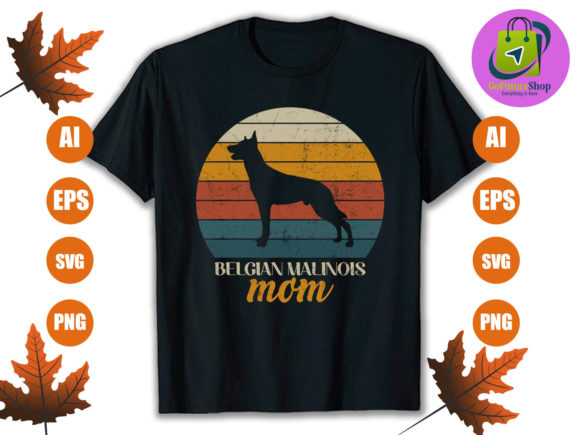
Belgian Malinois Mom Embroidery Review
As a designer who spends more time than I care to admit staring at stitch density charts and testing fabric stability, I approach every new embroidery file with a healthy dose of skepticism. The market is flooded with generic dog mom designs, but the Belgian Malinois breed has a distinct visual personality that demands respect. When I first pulled up the Belgian Malinois Mom design assets, my immediate reaction was not about the text, but about the silhouette. Does it capture the alertness of the breed? Is the layout balanced enough for real-world application? After running some mental mockups and reviewing the vector structure, here is my honest take on how this design holds up in a professional studio environment.
The Visual Personality of the Breed
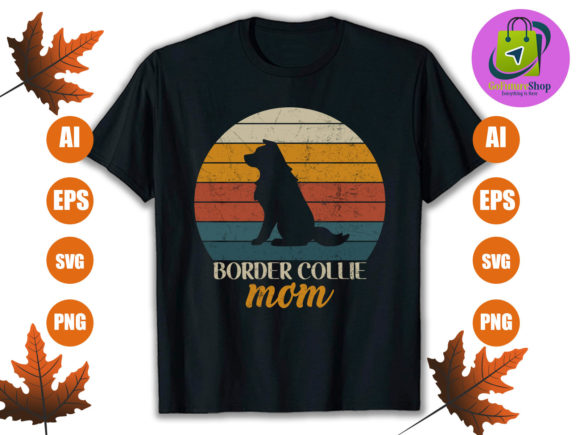
Belgian Malinois are not just "dogs"; they are working dogs with intense focus and sharp angles. A successful embroidery design for this breed needs to reflect that energy without becoming cluttered. The Belgian Malinois Mom graphic leans into the strong jawline and upright ears that define the breed’s look. From a T-Shirt Designs perspective, the composition feels grounded. It doesn’t rely on excessive fluff or overly soft curves, which often fail when digitized into thread.
The mood created by this design is one of protective pride. It feels rugged yet affectionate, which is exactly what resonates with the target audience. For an Etsy seller or small business owner, understanding this emotional connection is crucial. You aren’t just selling a picture of a dog; you are selling the identity of someone who works alongside their animal. This design captures that bond effectively. The visual weight is centered, making it versatile for placement on chest areas, backs of sweatshirts, or even as a focal point on tote bags.
Real-World Application: The Custom Sweatshirt Scenario
Let’s imagine a specific project: a custom order for a client who runs a K9 training facility. She wants a high-quality embroidered sweatshirt for her staff. This is where the practical value of the Belgian Malinois Mom design becomes apparent. Unlike intricate line-art that can get lost in the texture of fleece, this design appears to have bold enough elements to stand out against a heavy fabric.
When I visualize this on a charcoal or navy heather sweatshirt, the contrast potential is strong. The design works well because it avoids overly thin lines that might break during the stitching process. For a custom apparel item like this, durability is key. The design’s structure suggests it can handle the wear and tear of active use. It fits perfectly into the category of personalized gift items that customers buy for themselves or as gifts for partners who share this lifestyle. It’s not just decorative; it signals belonging to a community.
Versatility Across Product Categories
While originally categorized under Graphics and suitable for T-Shirt Designs, the utility of this asset extends far beyond flat cotton tees. Here is how I see it performing across different mediums:
- Embroidered Patches: The compact nature of the design makes it ideal for a shoulder patch on a tactical vest or a jacket. The clean edges would allow for a strong border if added during digitization.
- Tote Bag Design: Canvas totes are a staple for craft fairs. Placing this on the front center creates an instant conversation starter. The design’s vertical orientation likely matches the typical flow of a tote bag panel well.
- Baby Embroidery: There is a growing market for niche baby clothes. A smaller version of this design on a onesie or burp cloth appeals to parents who want something unique rather than generic animals. It adds a touch of personality to nursery decor.
- Holiday Embroidery: This design transcends seasons. Whether it’s a Christmas stocking for a dog lover or a summer cap, the theme remains relevant year-round, providing consistent inventory value for a craft business.
Technical Considerations for Stitching Clarity
No matter how beautiful a digital image looks, its success in embroidery depends entirely on execution. When evaluating the Belgian Malinois Mom design, we must consider the technical constraints of machine embroidery. The description mentions RGB color files, which means the designer will need to translate these colors into specific thread choices. This translation is critical.
If the original design relies on subtle gradients, those may need to be simplified into distinct thread colors to maintain clarity. In commercial embroidery, simplicity often equals professionalism. Overly complex shading can lead to puckering or thread breaks, especially on stretchy fabrics. I recommend checking the stitch density carefully. If the fill stitch areas are too dense, the fabric may become stiff and uncomfortable, particularly for wearable items like caps or hats.
Another vital factor is the hoop size. Ensure the design dimensions fit comfortably within your standard hoops (such as 4x4, 5x7, or 6x10 inches) depending on the product. If the design is intended for a small area, like a breast pocket, verify that the details remain legible at that scale. Tiny features can disappear if the hoop size is too large relative to the garment section being embroidered.
Where Caution Is Required
Even strong designs have limitations. There are specific scenarios where the Belgian Malinois Mom design should be used with caution. First, avoid textured fabrics like thick bouclé or heavily napped materials unless you are using a stabilizer specifically designed for such surfaces. The needle penetration might be inconsistent, leading to misaligned stitches.
Similarly, be careful when embroidering on dark fabrics if the design relies on light-colored threads for detail. Without proper underlay stitches, the thread might show through from the back or appear dull. Always test on scrap fabric first. This step cannot be overstated. It allows you to inspect small details, check thread color contrast, and confirm that the stabilizer chosen provides enough support to prevent distortion.
Also, consider the end-user’s maintenance habits. If this design is applied to a product that requires frequent washing, such as a kitchen towel or a daily-wear apron, ensure the stitch types used (like satin stitch vs. running stitch) are robust. Satin stitches generally hold up better to abrasion than long floating stitches.
Final Verdict for Designers and Sellers
The Belgian Malinois Mom design offers a compelling option for designers looking to tap into the passionate dog enthusiast market. It balances aesthetic appeal with practical structural integrity, making it suitable for a wide range of handmade products. From boutique branding to personal gifts, it delivers a sense of authenticity that customers appreciate.
For digital product sellers, including this in your library adds diversity, moving beyond generic pet designs to specific breeds with loyal followings. However, remember that the final quality depends on your digitization skills and production standards. Take the time to review the file structure, adjust thread palettes for optimal contrast, and always prioritize the tactile experience of the finished product.
By treating this design as a tool for storytelling rather than just a graphic, you can create items that resonate deeply with buyers. Whether you are listing it on Etsy, offering it as part of a service, or using it for your own brand, the Belgian Malinois Mom design has the potential to elevate your collection with professionalism and heart.